02.06.24
The Importance of Responsive Web Design in the Modern Digital Landscape

An outstanding online presence is no longer a luxury but a necessity for businesses striving for success. With an increasing number of users accessing websites from a diverse range of devices, ensuring your site delivers a seamless user experience across multiple screens has become crucial.
This is where responsive web design comes into play, providing your audience with an optimal browsing experience, no matter their preferred device, while also fostering customer satisfaction and engagement.
In this comprehensive guide, we will take an in-depth look at the importance of responsive web design in the modern digital landscape and share essential insights on how to harness this design approach to enrich your brand’s online presence.
We will explore the foundations of responsive web design, its numerous benefits, and the key principles that will enable you to create a website that is visually appealing and user-friendly on various devices. Additionally, we will unveil the latest technological advances and best practices that can help you stay ahead of the curve and ensure consistent, high-quality user experiences.
Responsive web design is not just about aesthetics; it is about building a strong foundation for long-term growth, increasing conversion rates, and fostering customer loyalty. By creating a website that seamlessly adapts to different devices and screen sizes, you can deliver a superb user experience that keeps your audience engaged, captivated, and eager to return.
Are you ready to take your brand’s online presence to new heights and embrace the transformative power of responsive web design? Join us on this enlightening journey and unlock the full potential of your website to thrive in the age of digital-first consumer behavior. Let’s get started!
Essential Components of Responsive Web Design

Responsive web design encompasses several core components and design principles that work in unison to create a seamless browsing experience across different devices. To fully understand the inner workings of responsive web design, let’s look at its fundamental elements:
- Fluid Grid Layout: By using a fluid grid system, your website’s layout can automatically adapt to different screen resolutions and sizes. Fluid grid layouts ditch fixed pixel values in favor of using percentage-based values, enabling your site to resize easily depending on the device being used.
- Flexible Images: To ensure your images display correctly on various screen sizes, they must be designed to scale in proportion to the layout. This can be achieved by using CSS rules that prevent images from exceeding their container’s width, ensuring they remain visually appealing on any device.
- CSS Media Queries: Media queries are an essential component of responsive web design, as they allow developers to create different styles and layouts for specific devices and screen resolutions. This ensures your site remains visually appealing and functional, regardless of the device your audience uses.
- Mobile-First Approach: Adopting a mobile-first design strategy involves creating your site specifically for smaller, mobile screens before progressively enhancing the design for larger displays. This approach ensures a consistent, high-quality user experience across all devices.
Benefits of Incorporating Responsive Web Design
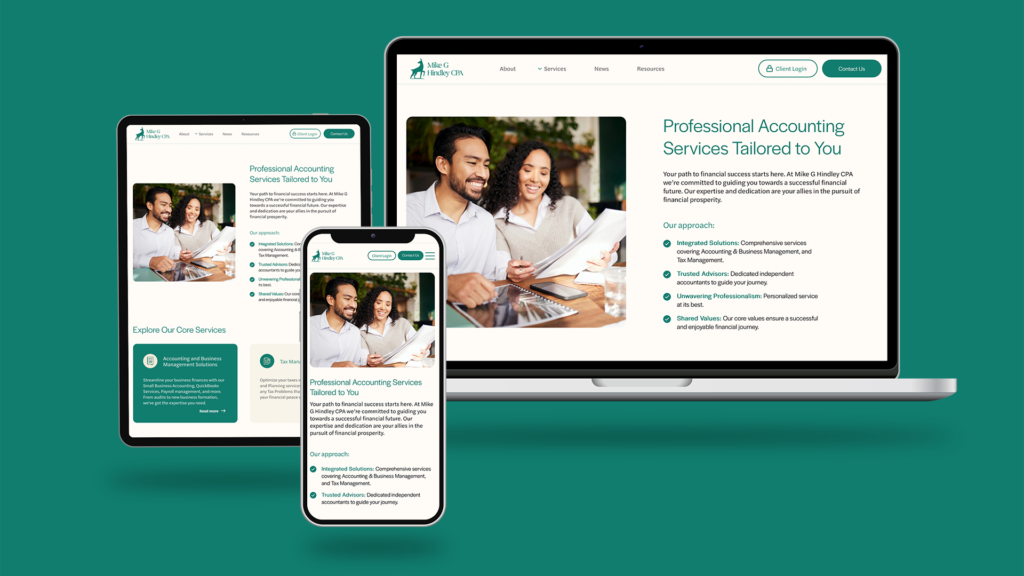
Responsive web design offers an array of benefits for both businesses and their users, encompassing enhanced user experience, increased conversion rates, and improved search engine optimization (SEO). Let’s explore some of the most significant advantages of adopting responsive web design:
- Improved User Experience: Offering a seamless, engaging, and user-friendly experience across all devices is key to fostering customer satisfaction and engagement. Responsive web design ensures your site adapts to different devices and screen sizes with ease, delivering a consistently excellent browsing experience for your audience.
- Increased Conversion Rates: A responsive website not only provides a better user experience but also contributes to higher conversion rates. With a site that adapts to the users’ devices, visitors are more likely to stay, engage, and complete desired actions, ultimately boosting your conversion rate.
- Enhanced SEO Performance: Search engines like Google prioritize mobile-friendly, responsive websites in their search results, making responsive web design crucial for visibility in organic search results. A well-designed responsive site can improve your search engine rankings, increasing organic traffic and providing a significant competitive advantage.
- Easier Website Maintenance: Managing separate versions of your website for different devices can be a logistical nightmare. Responsive web design eliminates the need for multiple site versions, streamlining website updates and maintenance while saving time and effort.
Best Practices for Implementing Responsive Web Design

To achieve success with your responsive web design, it’s essential to adhere to best practices and industry standards that prioritize simplicity, functionality, and adaptability. These principles will help you design a website that not only looks great but also offers excellent user experience and performs well on different devices:
- Prioritize Content Hierarchy: Organizing your content based on importance is crucial for a user-friendly layout. Ensure your site highlights the most critical information and elements, making it easy for readers to find what they’re looking for.
- Opt for Simple Navigation: A well-structured, intuitive navigation menu is key to ensuring a positive user experience. Opt for a minimalistic navigation bar that adapts to various screen sizes and enables users to find information easily.
- Embrace Mobile-First Design: As mentioned earlier, adopting a mobile-first approach to design can enhance the overall user experience. Design your site with mobile users in mind, ensuring your site’s content, navigation, and layout are equally accessible and appealing on smaller devices.
- Test and Optimize: Regular testing is essential to ensure your responsive site performs well across different devices and browsers. Use testing tools and real-device testing to identify issues, make necessary adjustments, and further optimize your site for superior performance.
Elevate Your Online Presence with Responsive Web Design
In the digital age, a responsive, user-centered website is indispensable for achieving online success. By embracing the principles of responsive web design, you can enhance user experience, boost conversion rates, improve search engine visibility, and streamline website maintenance. These elements combined can culminate in significant long-term growth for your brand, bolstering customer engagement and ensuring your site remains accessible and appealing in an increasingly mobile-centric world.
Are you looking for expert web design services that can elevate your online presence and help your business thrive in the modern digital landscape? Look no further than Alarie Design. Our team of experienced professionals understands the importance of responsive web design, and we can help you create a website that is both visually stunning and optimized for all devices. Contact us today to learn more about our web design services and take your online presence to the next level.
RECENT POSTS

Leverage Social Media Ads to Boost Your Brand’s Visibility and Drive Results

Elevate Conversions with Expert Landing Page Optimization Strategies